
Parametric Modeling and Automation with AutoCAD Inventor
Parametric modeling allows new parts to be created in minutes instead of hours. This video shows a part rack which was designed to have its dimensions easily modified to adapt to different parts. Instead of modifying the starting file and losing the original, a copy is made and files are bulk renamed with a batch program. The individual parts are then linked to a new excel parameter file using two iLogic scripts. From there, the dimensions of the new rack can be modified in the new Excel parameter file, and automatically updated in Inventor. The video is edited down from an 8 minute time lapse.

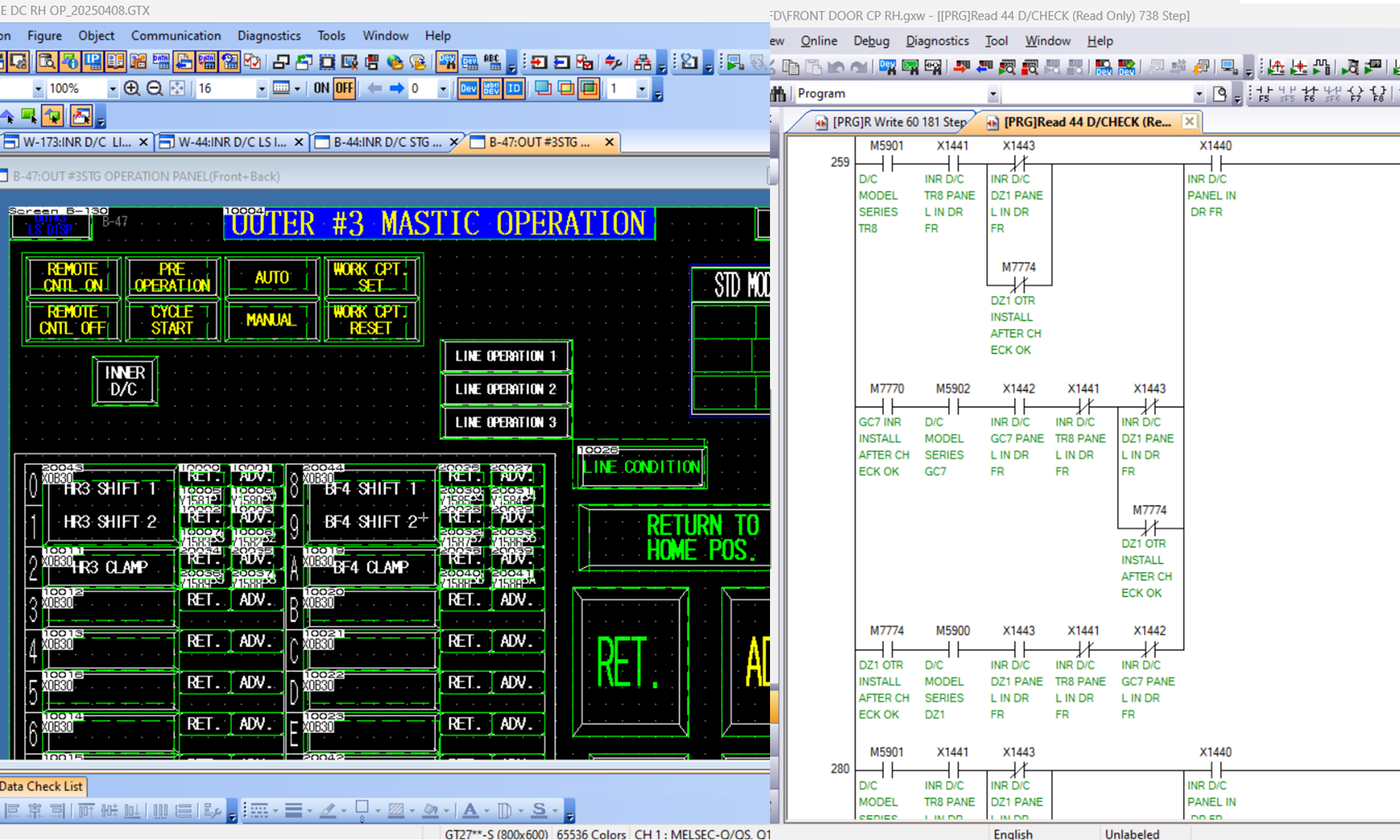

Process Documentation & Handover/Onboarding
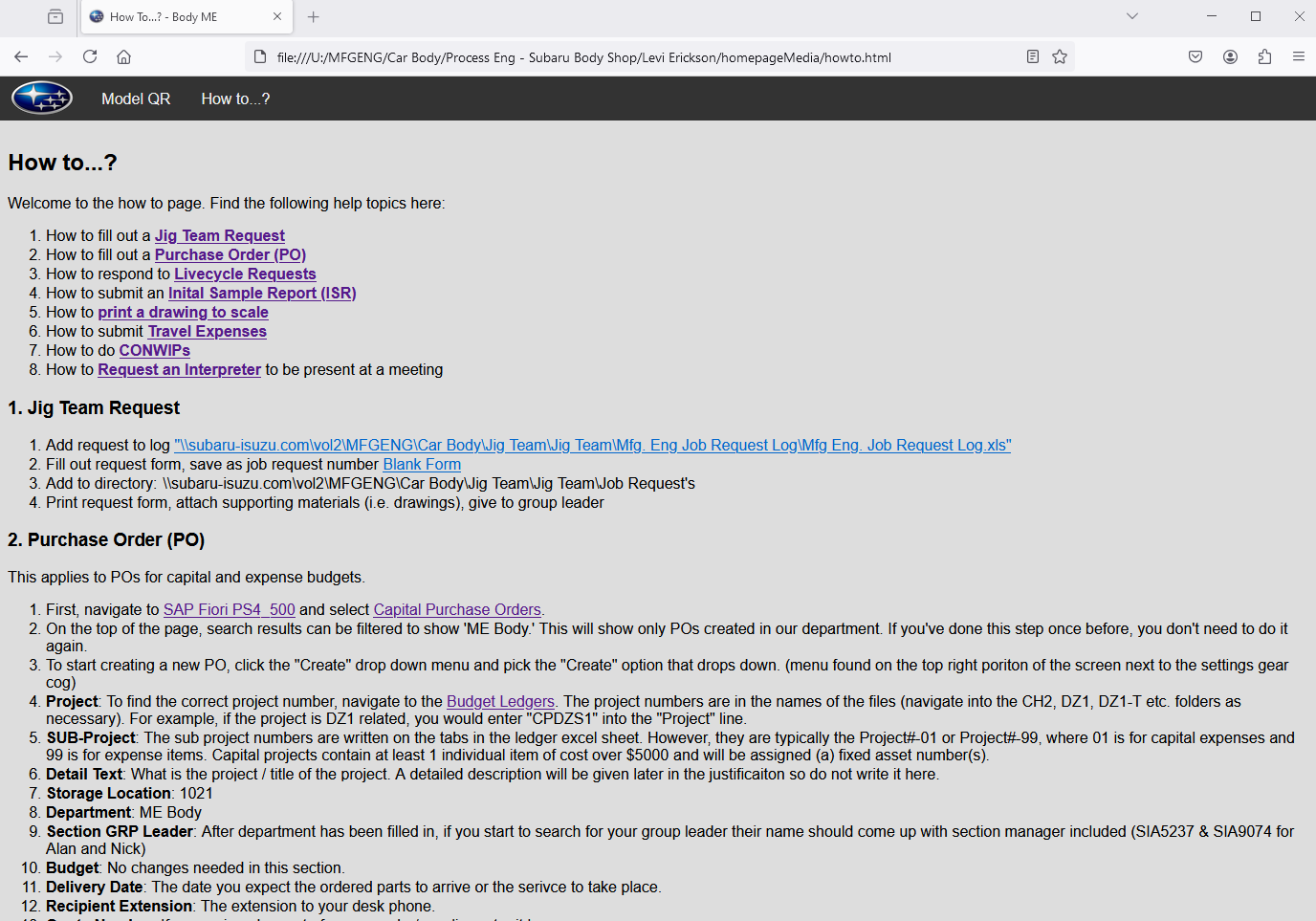
No, you are not looking at a picture of this website! I used the general format of this one, to create a 'homepage' for our department. As I was onboarding (and even now), it was difficult to keep track of the locations of different documents, and I had to ask for help for most procedures because there were no written instructions. This homepage website houses links to useful documents and websites, a quick reference for understanding different model codes, and shown in the picture is the 'how to page' with instructions on how to do some different tasks, like write a PO. I have received more positive feedback from this than I actually expected, which has encouraged me to further expand the capabilities of this resource. To preview the website click here!
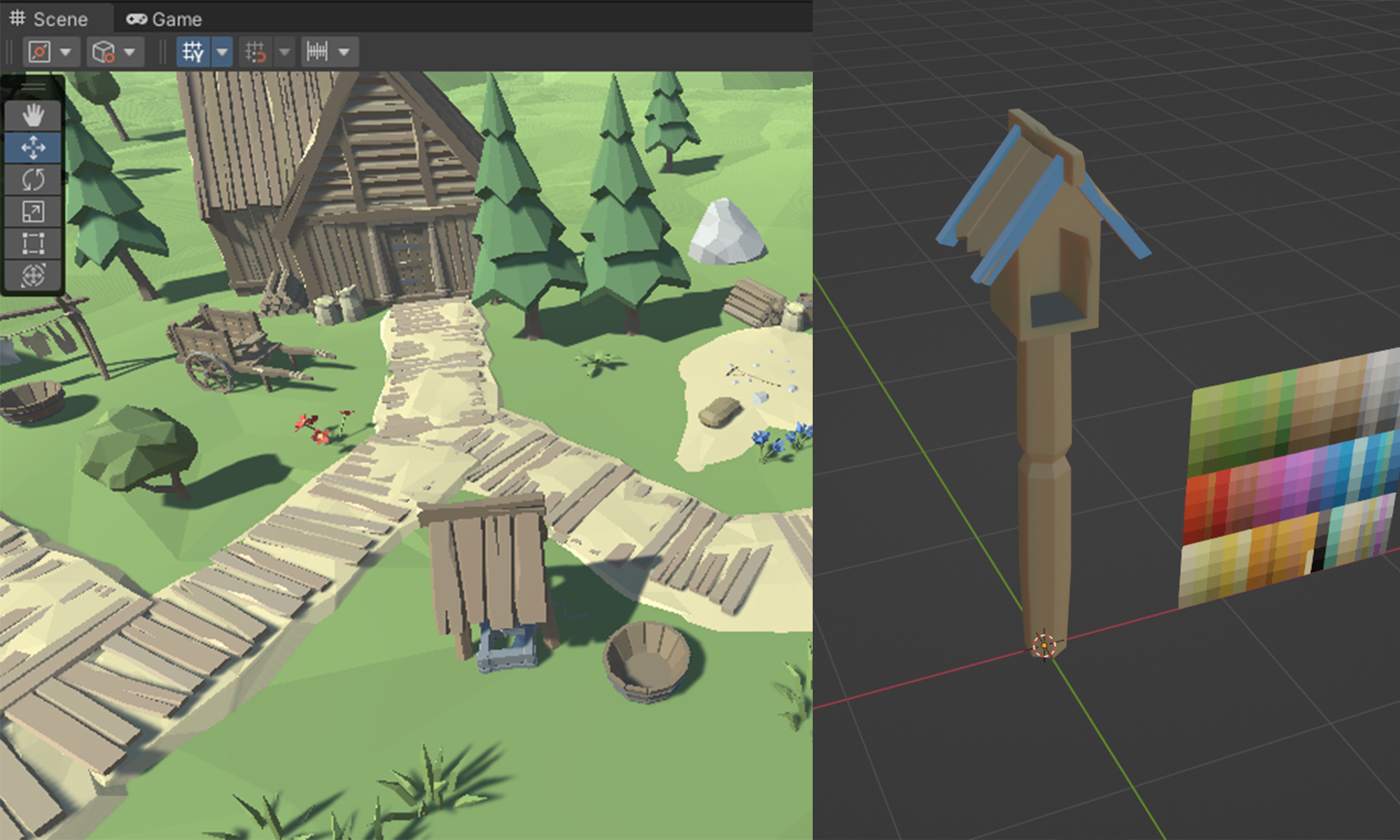
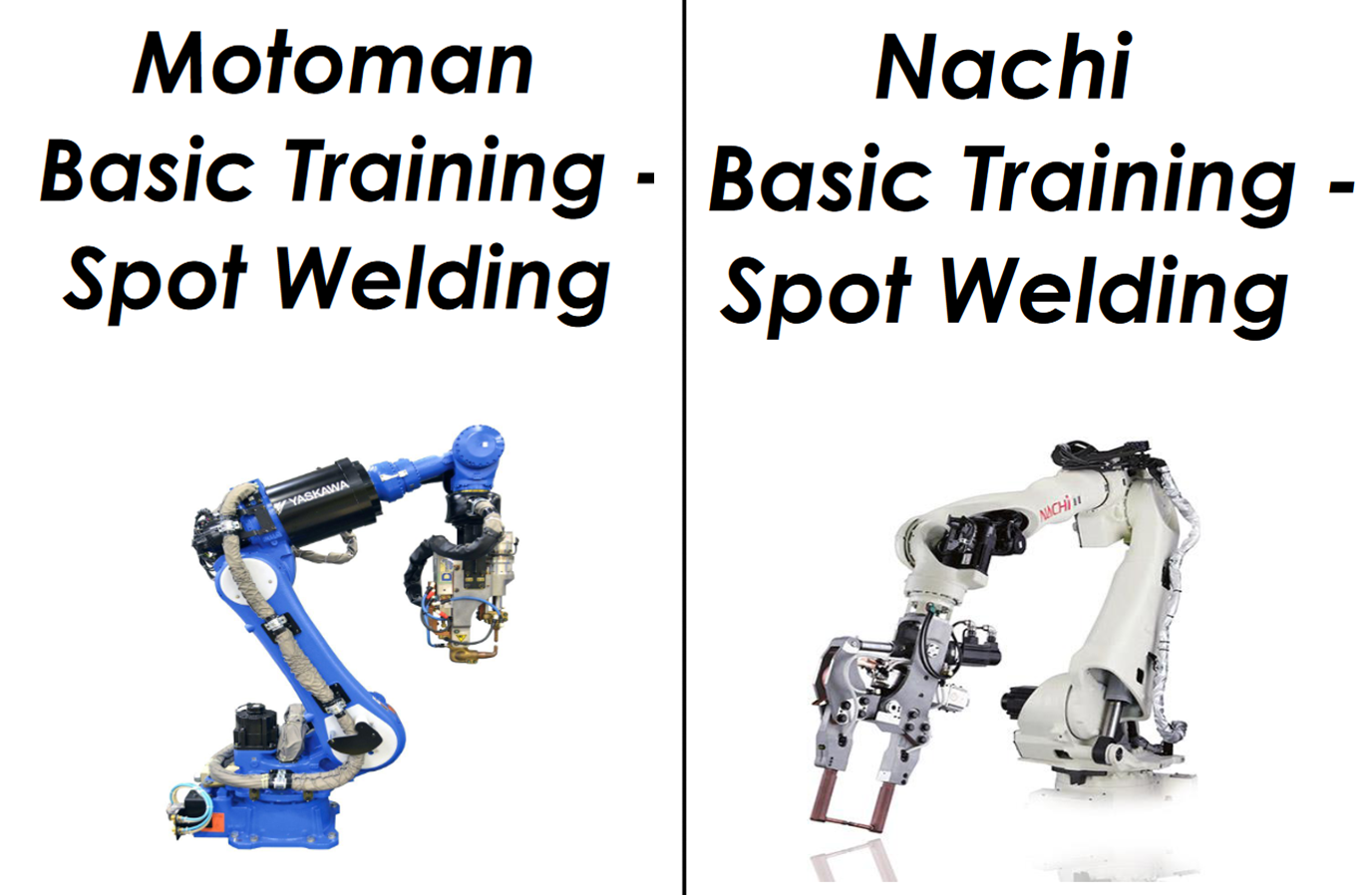
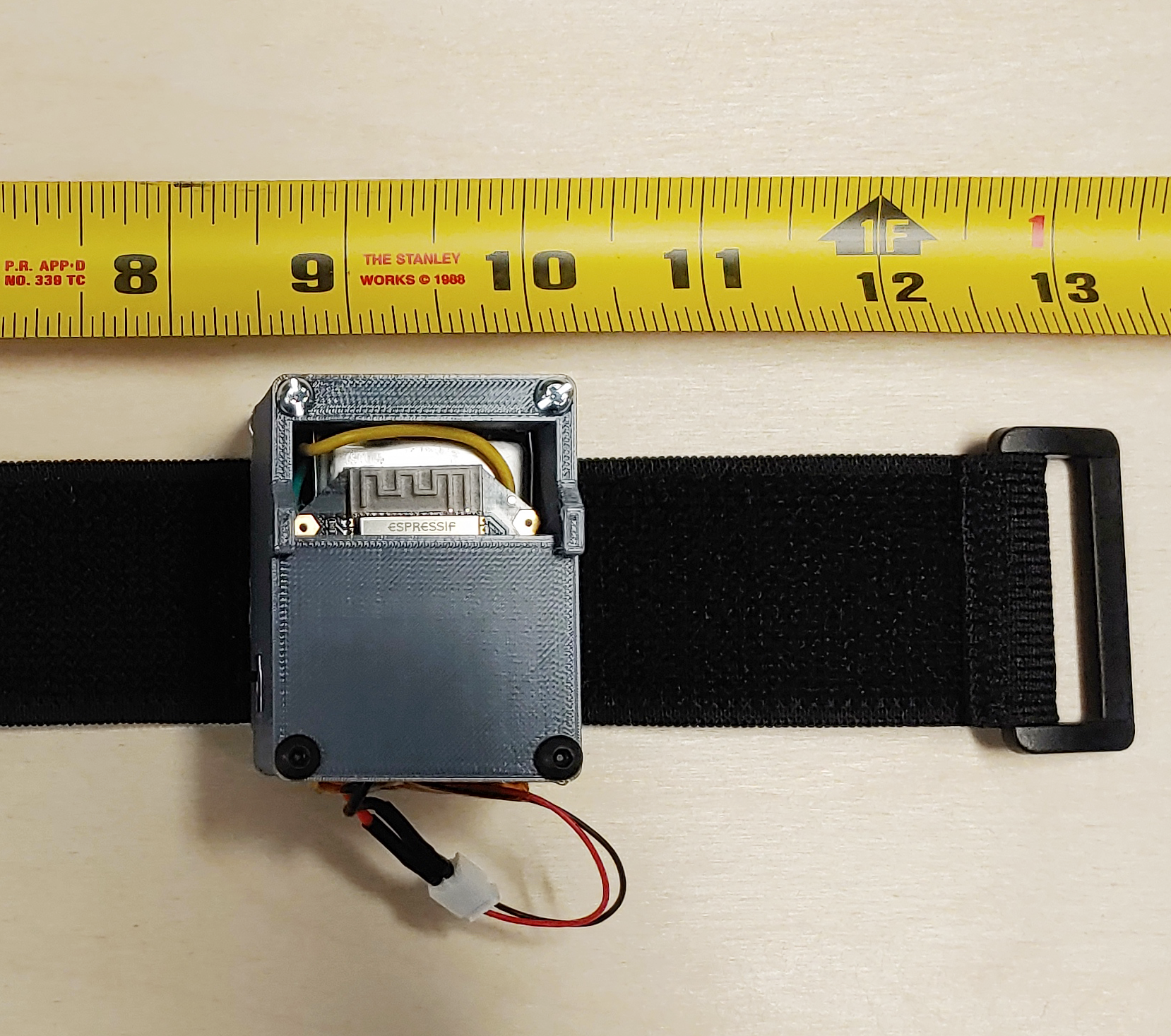
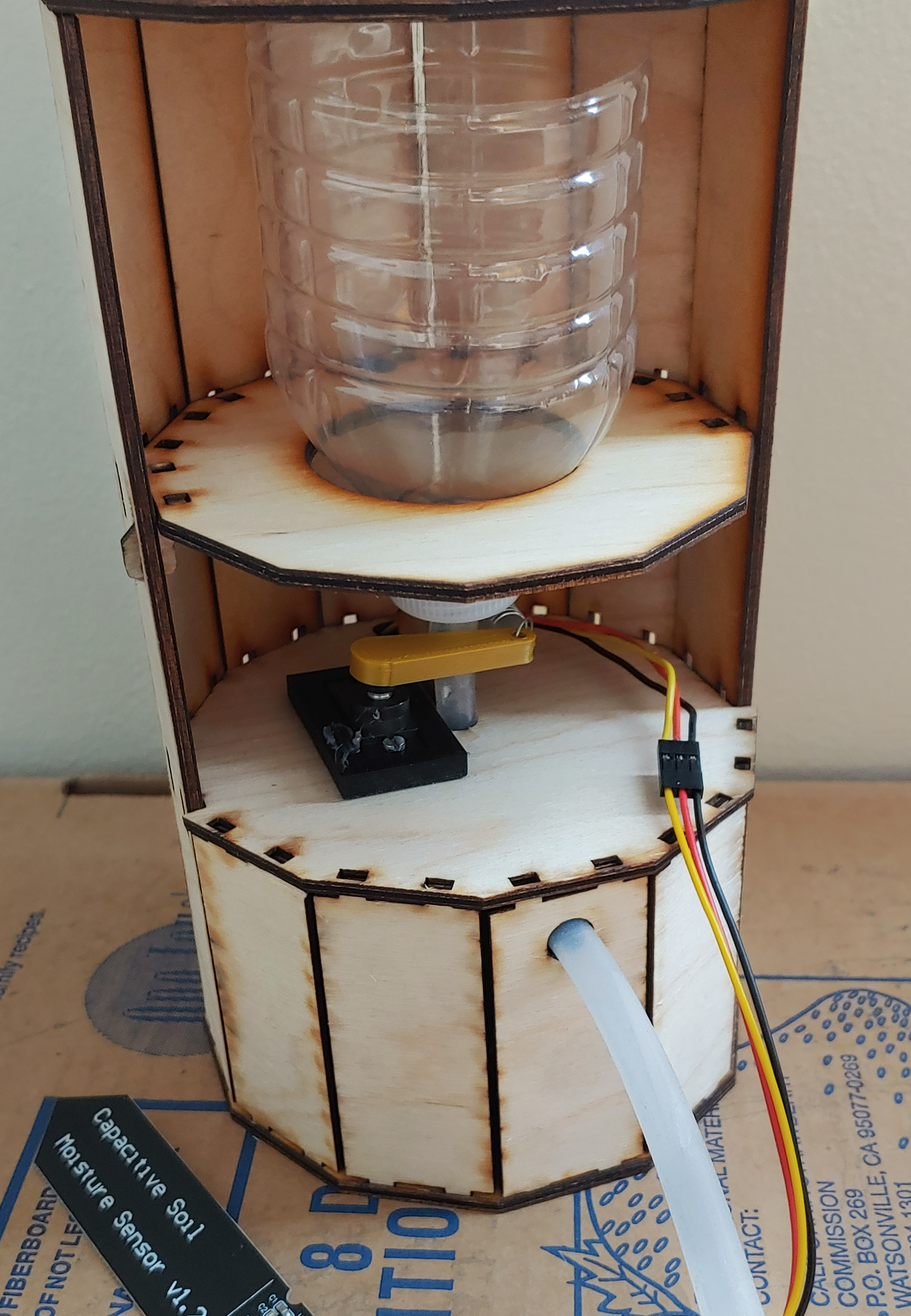
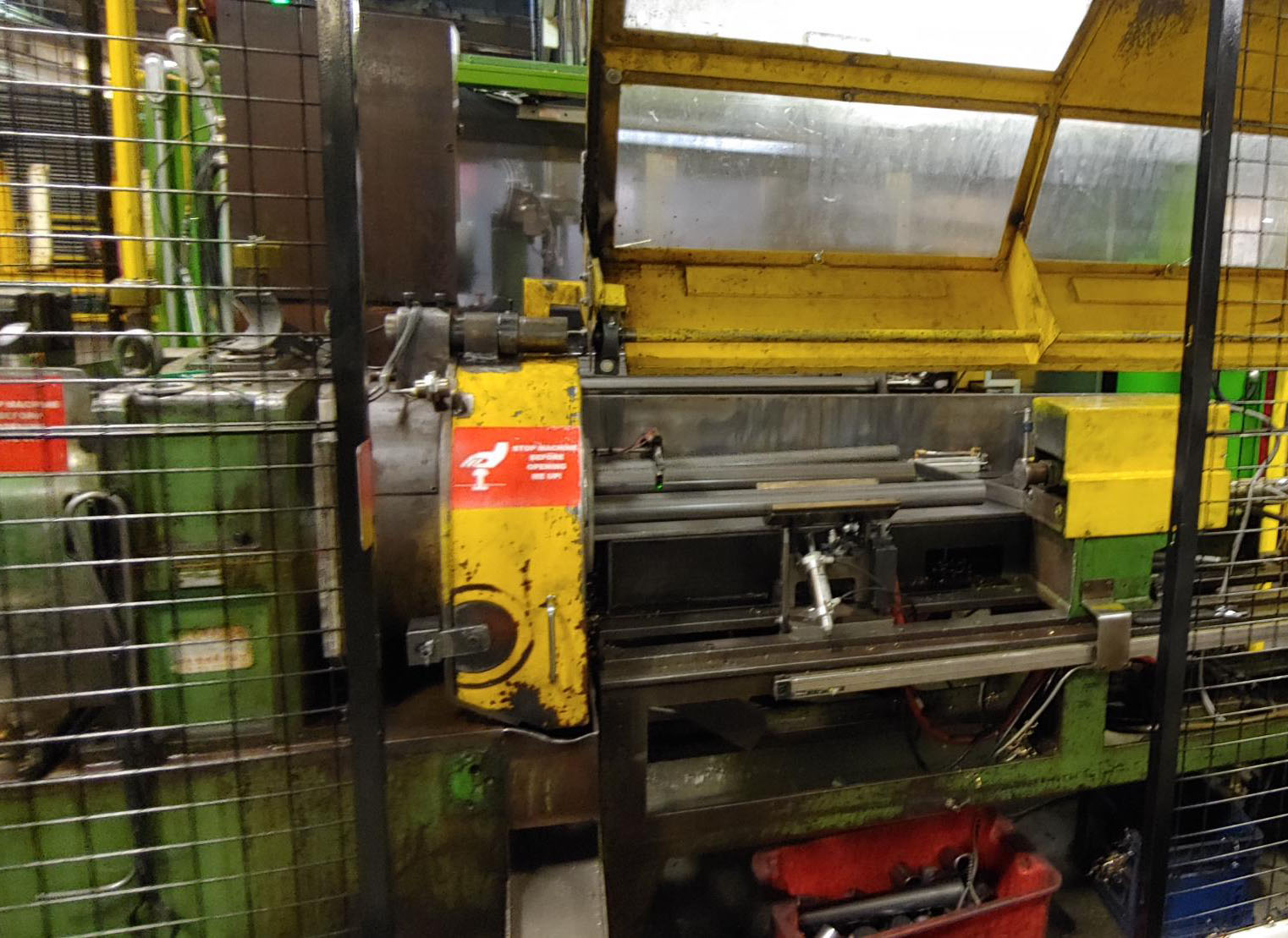
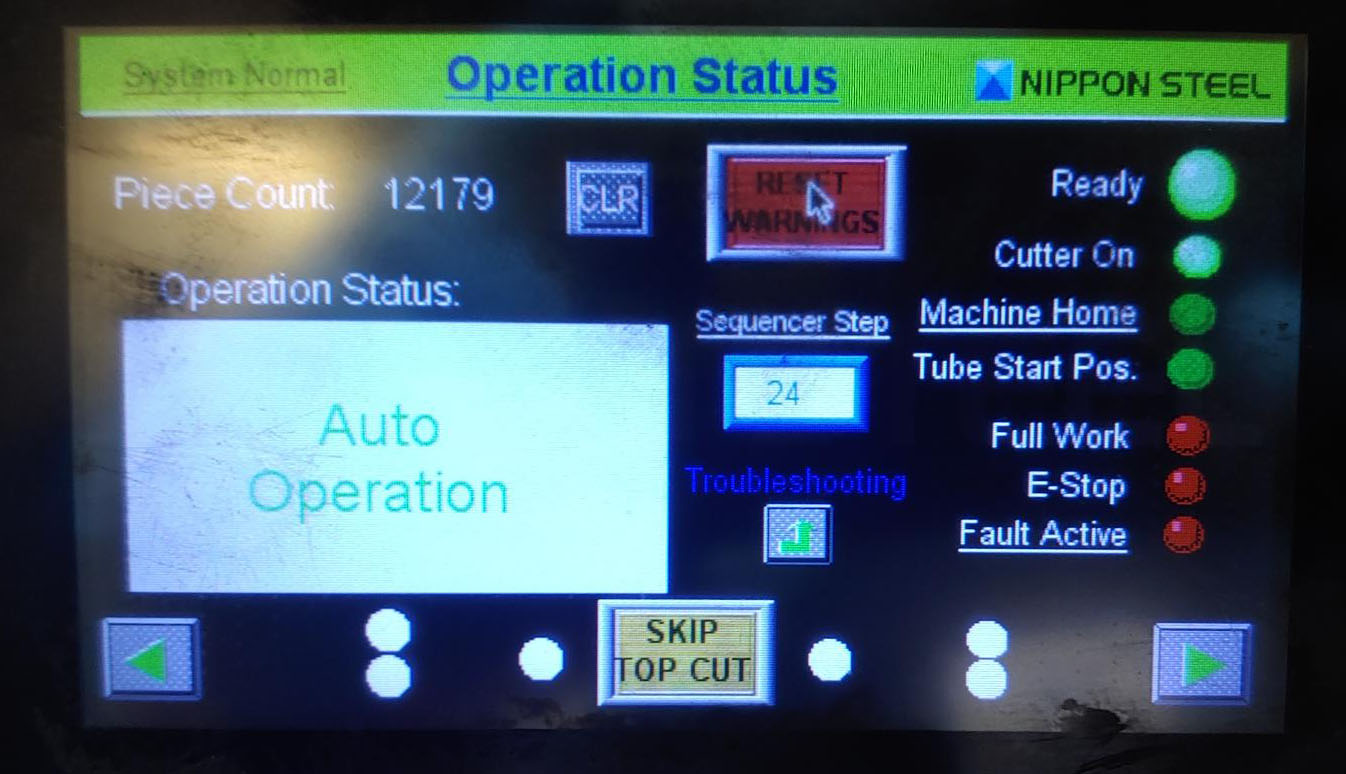
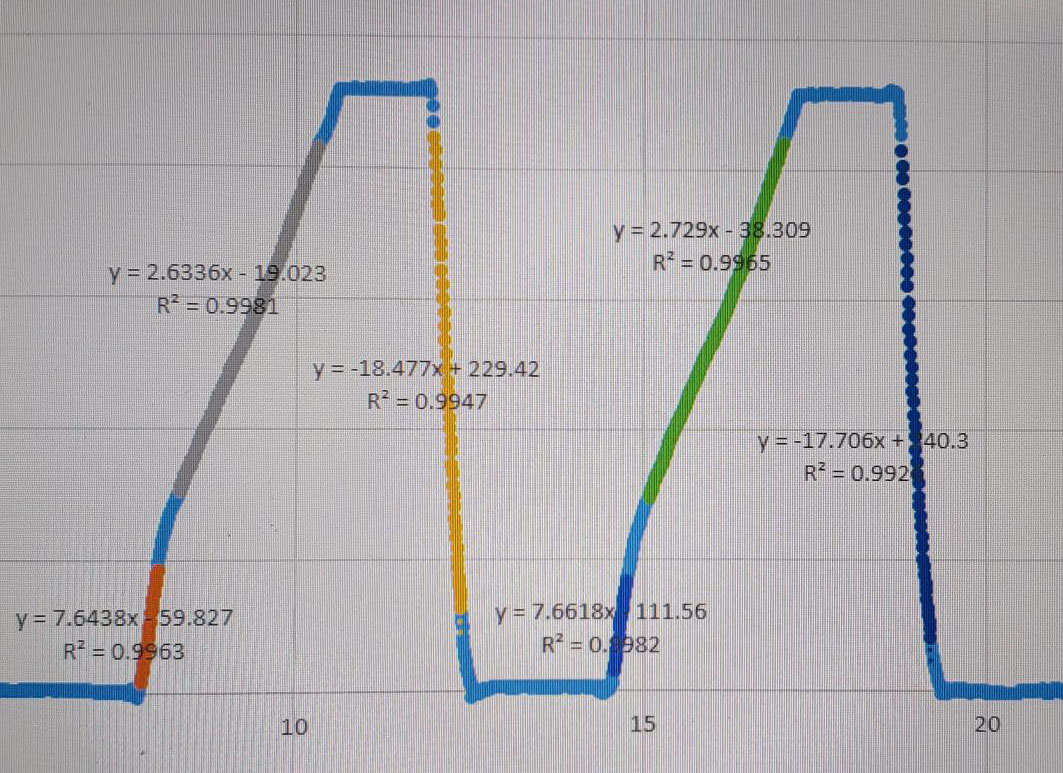
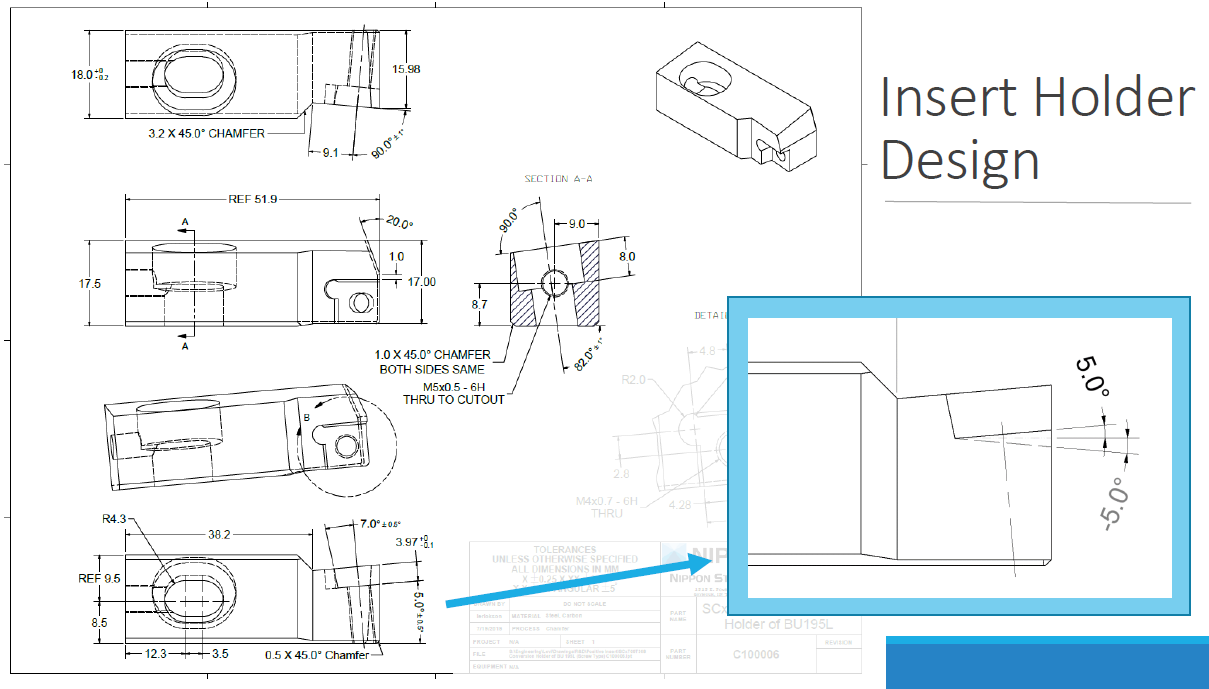
MR Tool Orientation Calibration
To enhance the fidelity of VR and training programs, my team worked to incorporate the tools normally used by workers into the VR scenes. The first step in this process was to affix the Oculus controller to the tool with a 3D printed mount so it could be tracked with 6 DOF. A static transformation can be taken between the controller and the tool to properly display the tool in the VR scene, but if the controller moves or is mounted slightly differently the next time the calibration will be off. This is a demonstration of a way to measure the offset, apply it to the tool, and then proceed to the VR scene without needing a static transformation. The system also employs an ESP32 microcontroller to wirelessly update the state of the tool's trigger to the VR scene.
ME444 CAD & Prototyping Class Overview
Produced by a class student, course instructor Dr. Liu speaks about the class.
CHI Video Summary
A 30 second preview of the welding project submitted to CHI. My contribution as second author primarily focused on the design of the user study and developing the backwards design goals.